
Lisianthus - warning extreme patience required
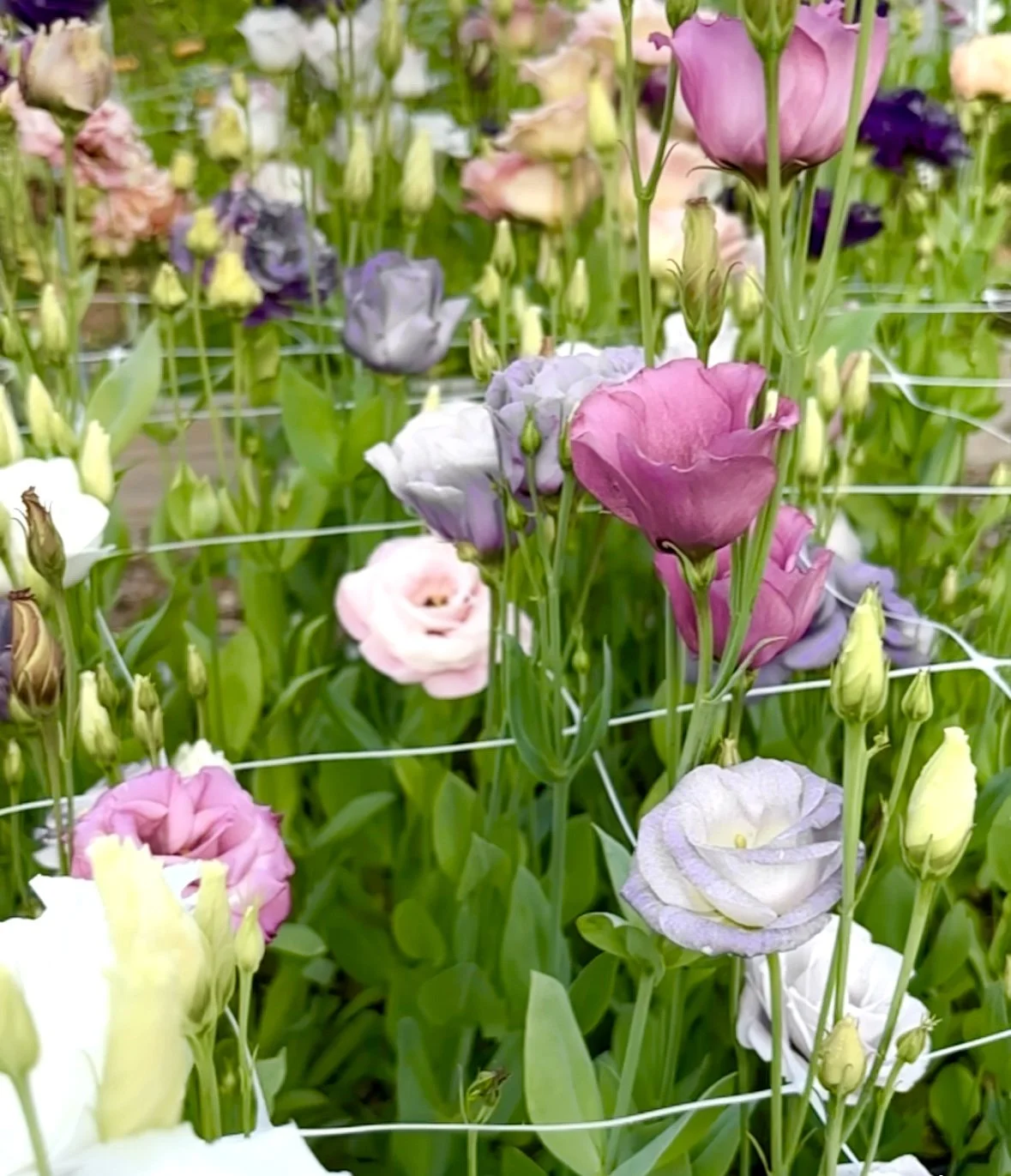
2025 lisianthus flowers in full bloom - Dorothy’s Garden
January in zone 6b means one thing: Lisianthus
If you’re the kind of gardener who enjoys a bit of a challenge (with a very big reward), January is the month to start sowing lisianthus seeds. These flowers have a reputation for being fussy, slow, and downright stubborn to germinate—but I don’t let that scare me off. With a little patience and care, lisianthus will reward all of us with some of the most exquisite blooms you can grow.
Lisianthus take approximately 180 days from seed to flower, which is why an early start is absolutely essential. Sowing in January gives them the long runway they need to develop strong plants in time for summer blooms. Think of it as a long-term investment in beauty.
Why Grow Lisianthus at All?
Let’s start with the obvious question: why bother? Lisianthus flowers are truly showstoppers. Their rose-like blooms come in soft pastels, creamy whites, rich purples, and romantic bi-colors. They look elegant in the garden, stunning in arrangements, and have an exceptional vase life, often lasting two weeks or more in fresh water. For cut flower growers, they’re pure gold.
They’re also surprisingly sturdy once established. It’s just those early weeks that demand extra attention. And that’s what I’m doing - just attending and attending and waiting…
The Challenge: Germination
Lisianthus are notoriously difficult to germinate, mostly because their seeds are incredibly tiny—almost dust-like—and very particular about conditions. The good news? Knowing what they want puts you well ahead of the game. This year I’m using a combination of saved seeds from 2025 blooms and purchased, pelleted seeds from GeoSeed.
Here are a few key things to keep in mind:
Light is essential. Lisianthus seeds need light to germinate, so do not cover them with soil. Gently press them onto the surface of a moist seed-starting mix.
Warm, but not too warm. Aim for temperatures around 65–70°F (18–21°C). Too much heat can actually reduce germination.
Consistent moisture. The soil should stay evenly moist but never soggy. Bottom watering or misting works well.
Patience is required. Germination can take 10–21 days, sometimes longer. It’s temping to give up but I just keep referring back to the date I sowed them. 21 days feels like forever in seed starting time.
Because January light levels can be low, I use grow lights. A bright, consistent light source helps prevent weak, leggy seedlings and improves overall success.
Slow and Steady Growth
Once lisianthus seeds germinate, the seedlings grow very slowly at first. This is completely normal. For several weeks, they’ll focus on developing roots and forming a tight rosette of leaves before any noticeable upward growth happens. It can feel like nothing is happening—but behind the scenes, your plants are preparing for greatness. Key elements during this phase: calcium citrate fertilizer and airflow.
A Long Wait, Worth Every Day
Starting lisianthus in January is an exercise in patience, but it’s also an act of optimism. While winter is still in full swing, I’m already planting the promise of summer. By the time those first blooms open—six months later—i will have long forgotten all about the slow start and finicky germination. All if will be focusing on is the long, elegant stems and the lovely ruffled petals.
So if you’re ready for a rewarding challenge this growing season, grab those tiny seeds in January and get started. Your future self (and your flower vases) will thank you. 🌸